![Shenzhen Lianli Switches - High and Low Voltage Electrical Components - Shenzhen Lianli Switches Co., Ltd. [Official Website]](/static/upload/image/20260709/1783556967304962.png)
 Overview
 Culture
 Style
Style
 Development
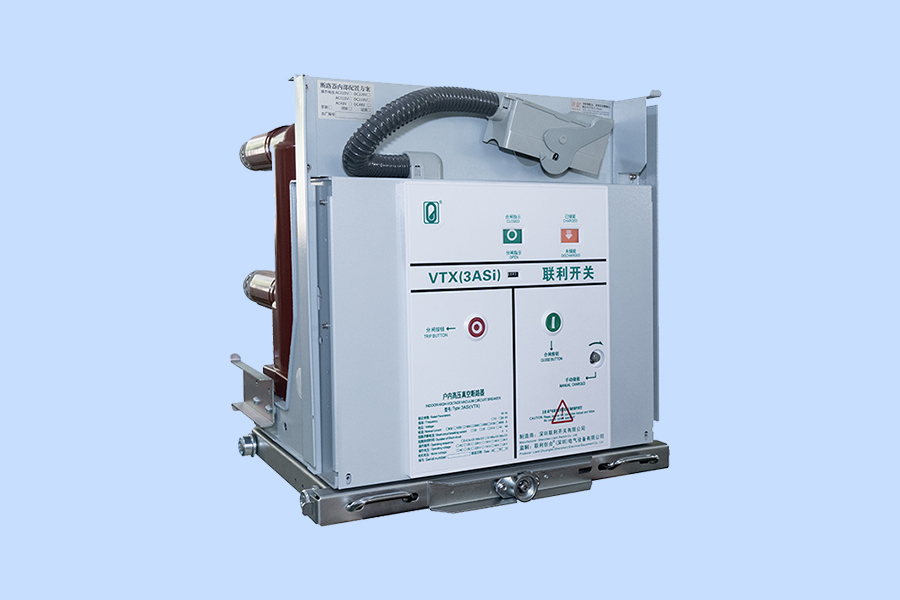 Indoor high-voltage vacuum circuit breaker series
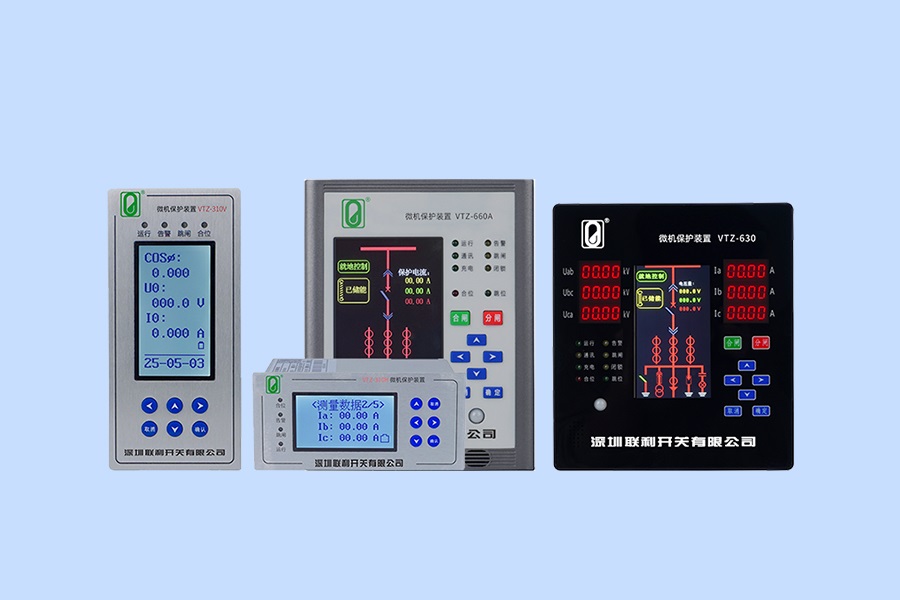 Microcomputer Protection Device Series
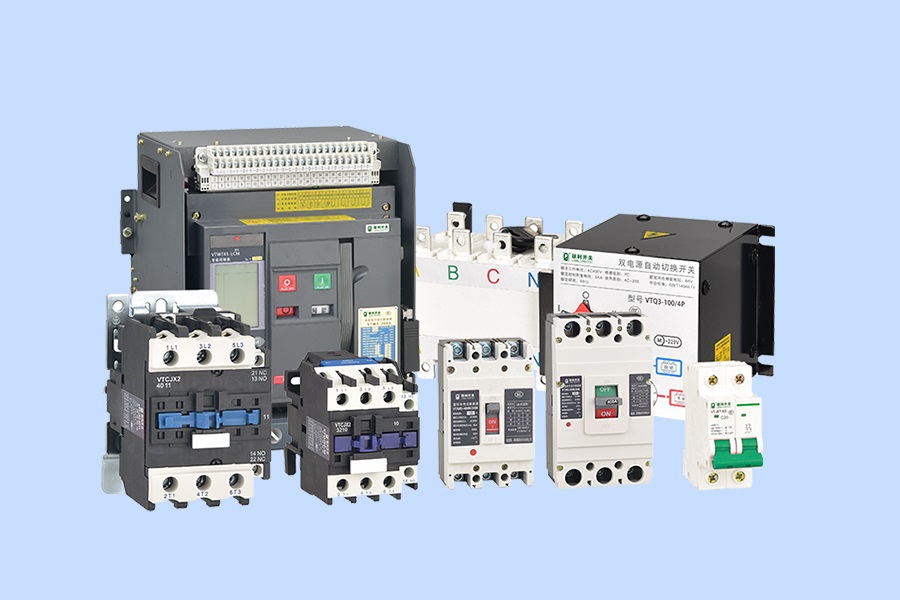 Low-voltage product series
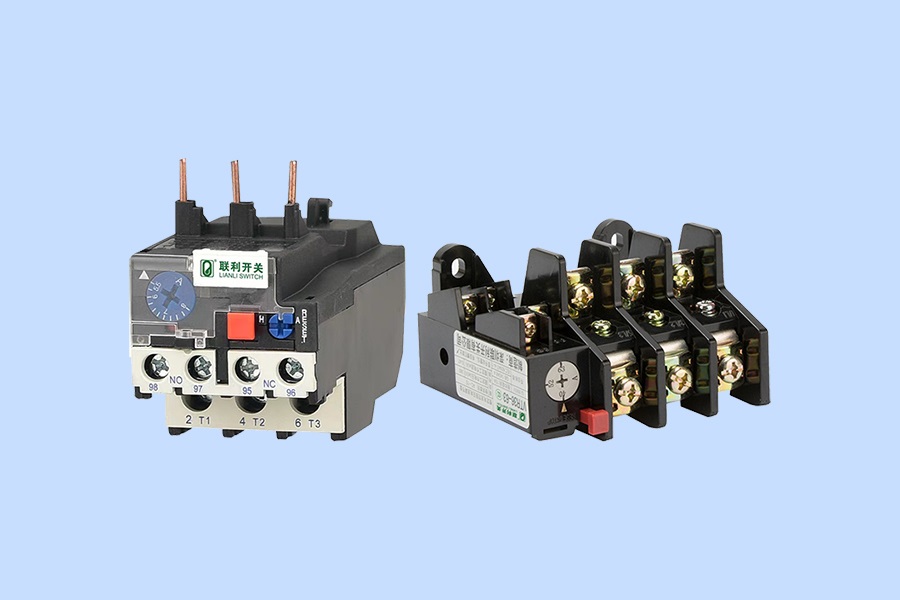 Thermal overload relay series
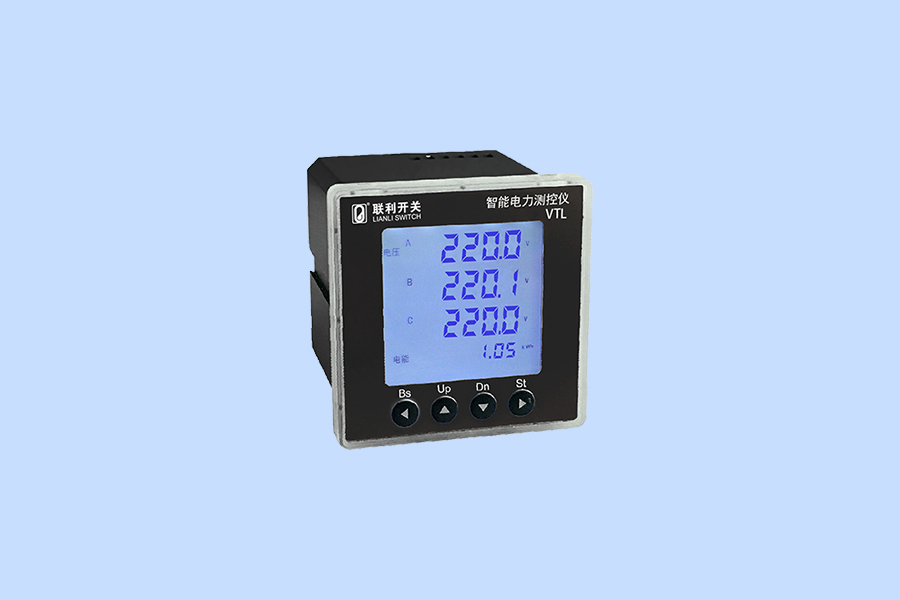 Multifunctional Instrument and Power Monitoring System Solution
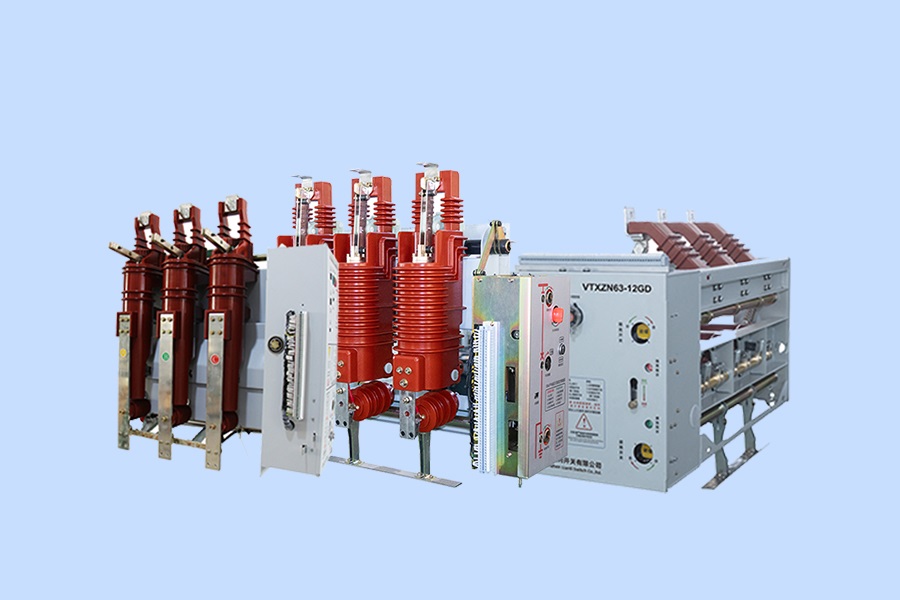 Three-position electrical appliance series
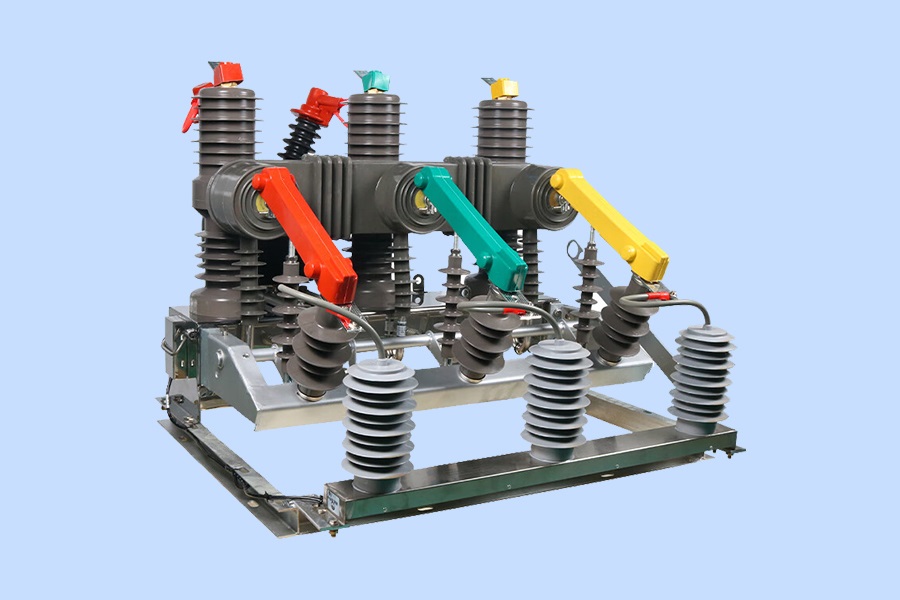 Outdoor High Voltage Vacuum Circuit Breaker Series
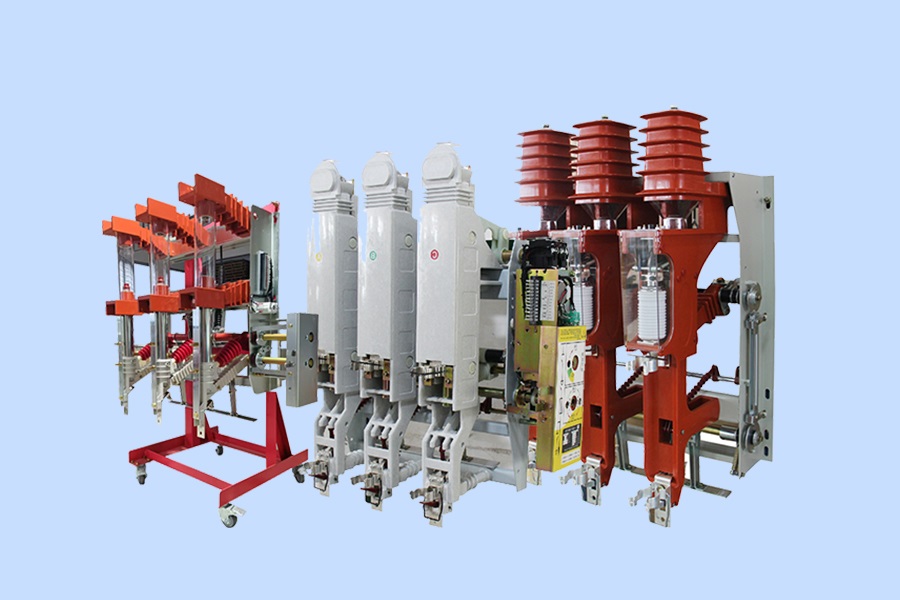 High-load switch series
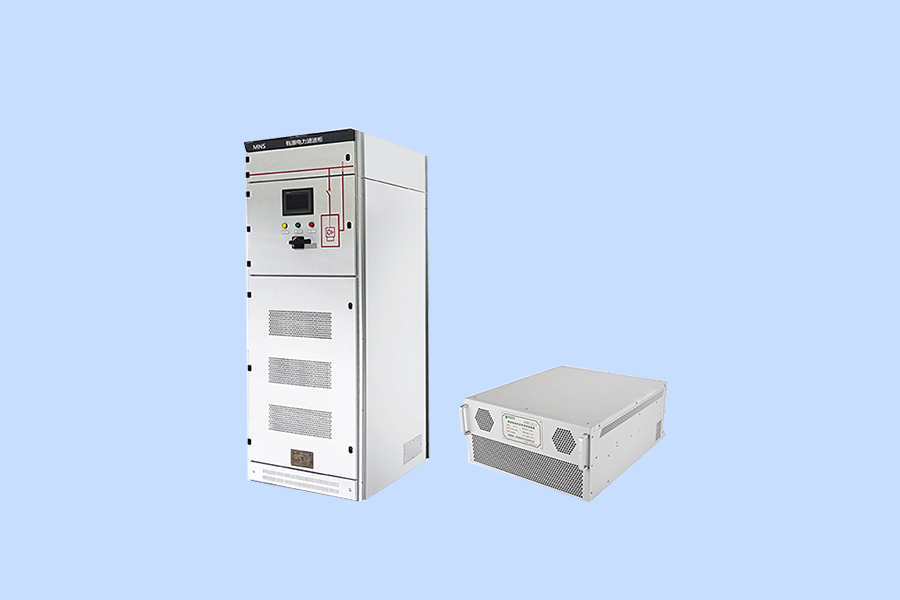 Active filtering and reactive power compensation series
 Circuit breaker component design and modification
 New
New
 Dynamic
 Our Services
 Document Library
 Media Center
 Contact information
 Online message

Products
Indoor high-voltage vacuum circuit breaker series
Microcomputer Protection Device Series
Low-voltage product series
Thermal overload relay series
Multifunctional Instrument and Power Monitoring System Solution
Three-position electrical appliance series
Outdoor High Voltage Vacuum Circuit Breaker Series
High-load switch series
Active filtering and reactive power compensation series
Circuit breaker component design and modification