The working principle of high-voltage vacuum circuit breakers and the application of photoelectric vacuum circuit breaker modules in multi-break vacuum circuit breakers place higher demands on power supply reliability and low power consumption. Therefore, a low-power self-contained power supply module for photoelectric vacuum circuit breakers was designed. The working principle of the self-contained power supply was analyzed, and the structure of its power-taking electromagnetic induction coil (power-taking CT) was optimized. The capacitor charging module reduced its operating losses through circuit structure, component selection, and changes in operating mode. A permanent magnet mechanism-operated capacitor charging and discharging characteristic model was established, and the optimal intermittent control strategy with low loss was obtained. A low-power intelligent controller was designed, realizing an online low-power control strategy and an offline sleep mode. After experimental verification, the optimized power-taking CT operates within a range of 200 A to 3000 A, meeting the requirements for online operation of the self-contained power supply module. The overall power supply loss during normal operation is 300 mW, ensuring that the self-contained power supply system can still drive the photoelectric vacuum circuit breaker even after a 3-week power outage. The designed self-contained power supply meets the system's requirements for the reliability and intelligence of the circuit breaker.
Vacuum circuit breakers utilize vacuum as the arc-extinguishing and insulating medium, exhibiting strong arc-extinguishing capability, small size, light weight, long service life, no fire or explosion hazard, and no environmental pollution. Therefore, they are widely used in medium-voltage applications. However, due to the saturation effect between vacuum breakdown voltage and gap length, single-break vacuum switches cannot be used at higher voltage levels. Multi-break vacuum switches can overcome this limitation.
The dynamic and static insulation characteristics and dynamic voltage equalization of multi-break vacuum circuit breakers have been studied for many years both domestically and internationally. This paper establishes a static breakdown statistical distribution model for double-break and multi-break vacuum switches by introducing the concept of "breakdown weakness" and probabilistic statistical methods. It concludes that the breakdown probability of a three-break vacuum interrupter is lower than that of a single-break vacuum interrupter, and this is verified experimentally. The paper also analyzes and verifies the effect of voltage equalization capacitors on the static and dynamic voltage equalization of multi-break vacuum circuit breakers. Finally, it analyzes the breaking mechanism and key factors of double-break vacuum switches.
![Shenzhen Lianli Switches - High and Low Voltage Electrical Components - Shenzhen Lianli Switches Co., Ltd. [Official Website]](/static/upload/image/20260709/1783556967304962.png)
 Overview
 Culture
 Style
Style
 Development
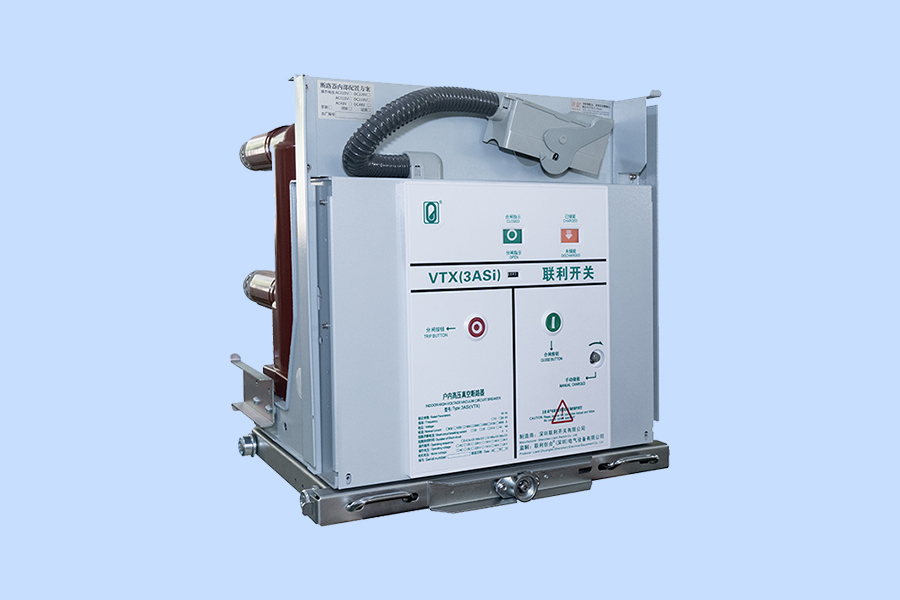 Indoor high-voltage vacuum circuit breaker series
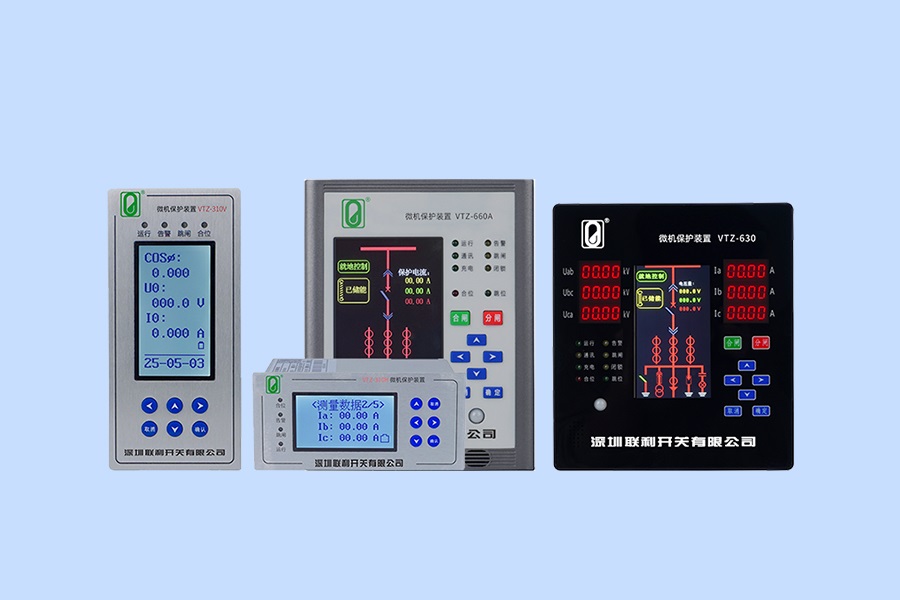 Microcomputer Protection Device Series
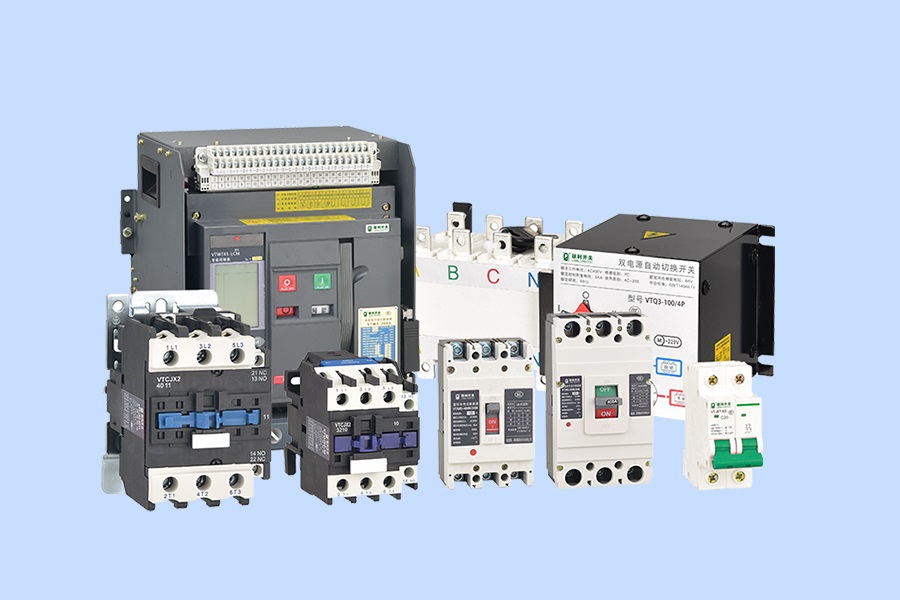 Low-voltage product series
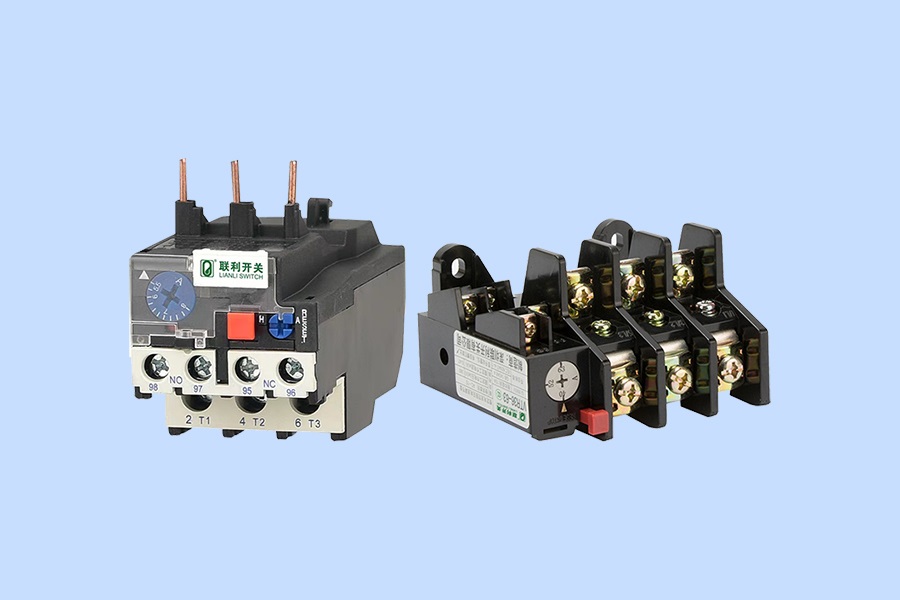 Thermal overload relay series
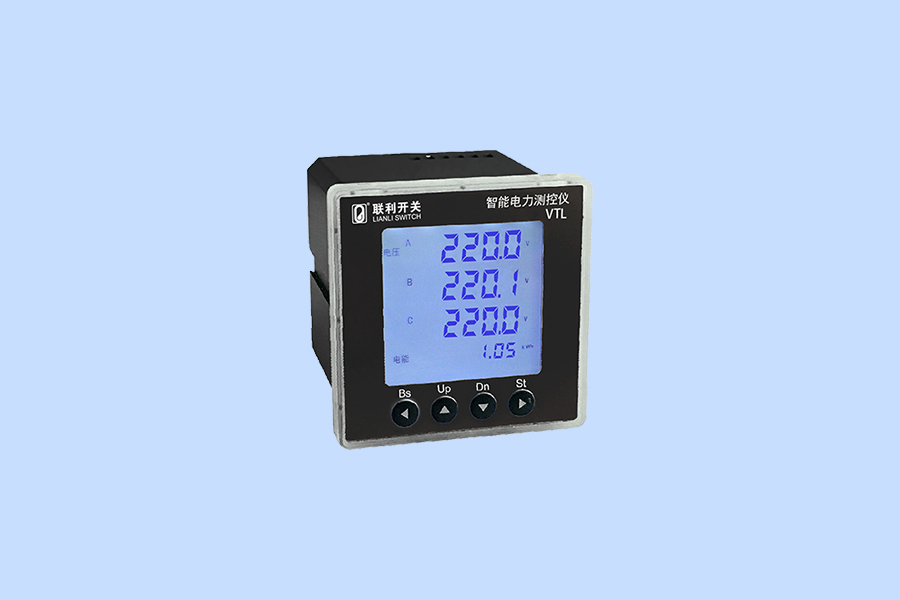 Multifunctional Instrument and Power Monitoring System Solution
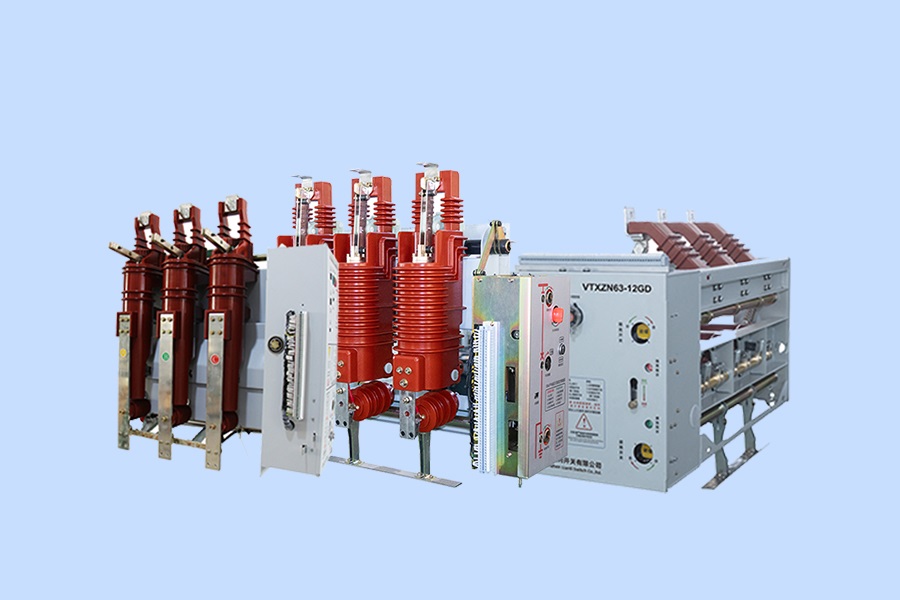 Three-position electrical appliance series
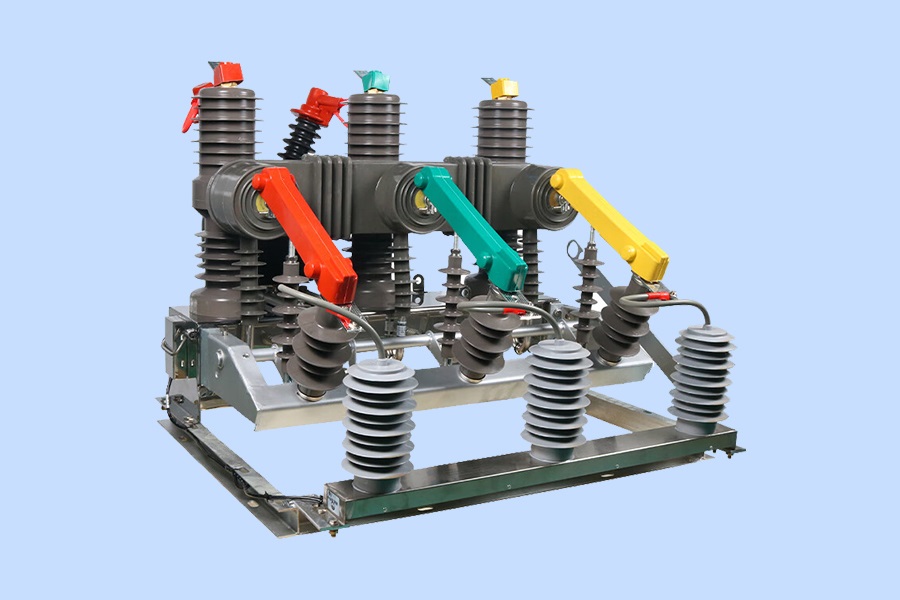 Outdoor High Voltage Vacuum Circuit Breaker Series
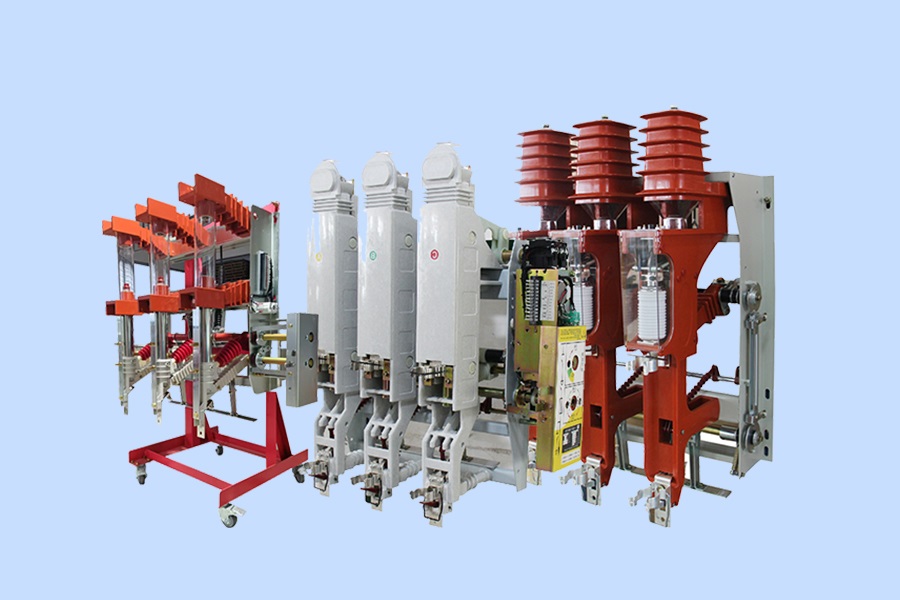 High-load switch series
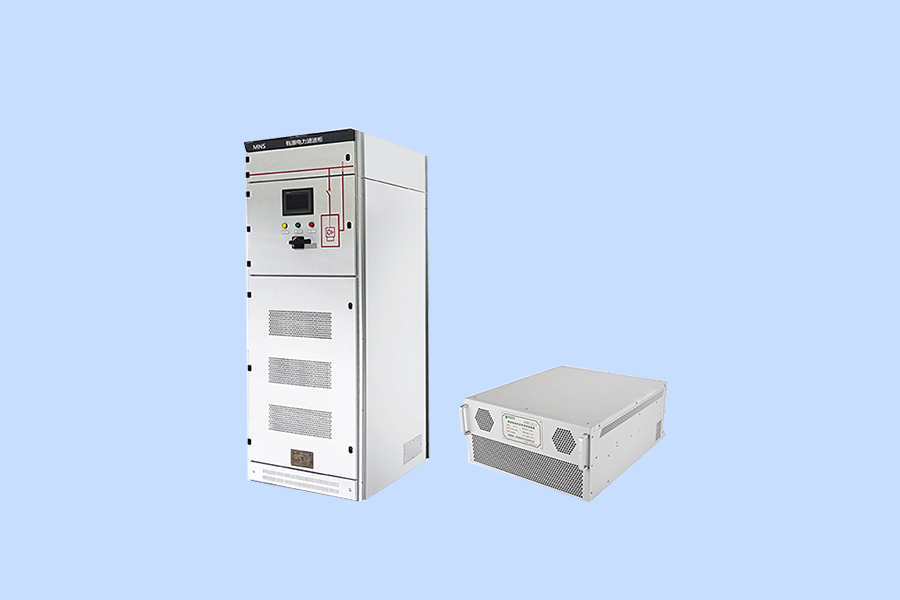 Active filtering and reactive power compensation series
 Circuit breaker component design and modification
 New
New
 Dynamic
 Our Services
 Document Library
 Media Center
 Contact information
 Online message