As the main protective switch in a power distribution system, the frequent tripping of universal circuit breakers directly affects the continuity of power supply. The causes of this phenomenon can generally be summarized into four categories: load-side faults, improper parameter settings, mechanical aging, and environmental interference.
1. Overload or short circuit on the load side
When the load current exceeds the circuit breaker's rated value, the bimetallic element trips due to heat accumulation and deformation, which is the most common cause of tripping. It is recommended to check whether the system has added large equipment causing a surge in electrical load, or whether there are faults such as phase-to-phase short circuits or single-phase grounding. The current in each phase can be measured using a clamp meter. If the values are close to or exceed the rated values, the power distribution scheme needs to be reassessed or the line insulation needs to be checked.
II. Improper setting of protection parameters
If the protection parameters of the intelligent controller do not match the actual load on site—for example, if the long or short delay settings are too small—false tripping may occur even if the load is within a reasonable range. Furthermore, setting the ground fault current value too low may misinterpret normal system leakage current as a fault. It is recommended that a professional review the controller's setting curves and protection thresholds, and verify the selective coordination between upper-level and lower-level protection devices to ensure the settings are scientifically sound. In complex cases, a dedicated testing instrument can be used to verify the tripping operation and confirm that all settings are within a reasonable range.
III. Aging of mechanical mechanisms or contact systems
After prolonged operation, the operating mechanism, latches, and contact springs inside a universal circuit breaker will experience mechanical wear, leading to insufficient closing holding force and a decrease in moving contact pressure. Erosion or oxidation of the contact surface due to repeated interruption of large currents will also increase contact resistance and exacerbate heat generation during long-term operation. Vibration or current fluctuations can cause these weak points to trip. The solutions are: clean the erosion points on the contact surface while the circuit breaker is de-energized, check and adjust the engagement depth of the mechanism, and perform professional lubrication on the transmission components; if the contact wear exceeds the limit or the springs are significantly fatigued, the relevant parts must be replaced.
IV. Ambient temperature or harmonic interference
Excessively high ambient temperatures (such as in poorly ventilated electrical distribution rooms) can lower the thermal tripping threshold of circuit breakers, causing them to trip before reaching the rated current. Simultaneously, high-order harmonics generated by nonlinear loads such as frequency converters and UPS systems can increase core losses and exacerbate eddy current heating, leading to malfunctions of thermally sensitive components. Projects with the necessary resources can use a power quality analyzer to detect system harmonic content. If the distortion rate exceeds the standard, it is recommended to install harmonic filters or reactors and derating the circuit breakers.
V. Troubleshooting Sequence for Typical Faults
When encountering frequent power outages, it is recommended to troubleshoot in the following order:
First the external, then the internal: confirm whether the load current is normal and whether the circuit insulation is good.
After parameter adjustment: verify the controller setting value, and then check the status of the mechanical latch and contacts.
Finally, environmental factors: measure the temperature inside the cabinet and assess the impact of harmonics.
Key Reminder: Do not attempt to reclose the circuit breaker repeatedly before identifying and eliminating the root cause of the tripping. If reclosing fails on the first attempt, first check the fault indicators and review historical records. Make a comprehensive judgment before taking any further action to avoid expanding the scope of the fault or causing personal injury. For complex situations that you cannot diagnose yourself, it is recommended to contact the manufacturer's technical personnel for on-site system testing and diagnosis.
![Shenzhen Lianli Switches - High and Low Voltage Electrical Components - Shenzhen Lianli Switches Co., Ltd. [Official Website]](/static/upload/image/20260709/1783556967304962.png)
 Overview
 Culture
 Style
Style
 Development
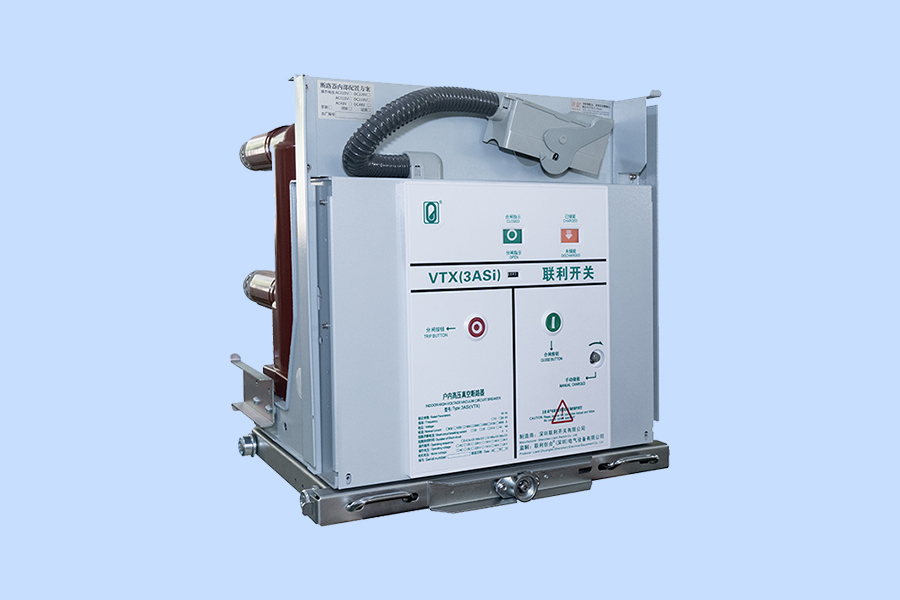 Indoor high-voltage vacuum circuit breaker series
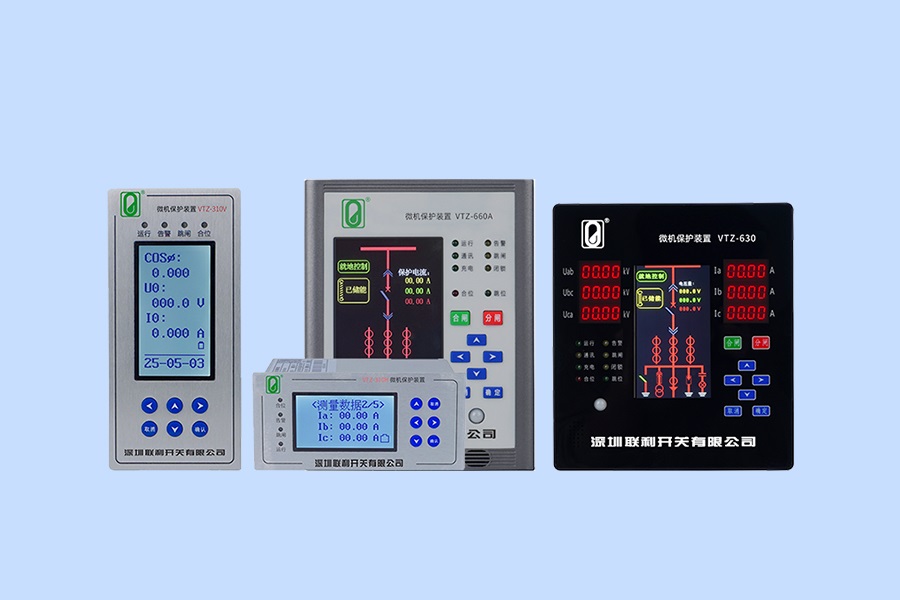 Microcomputer Protection Device Series
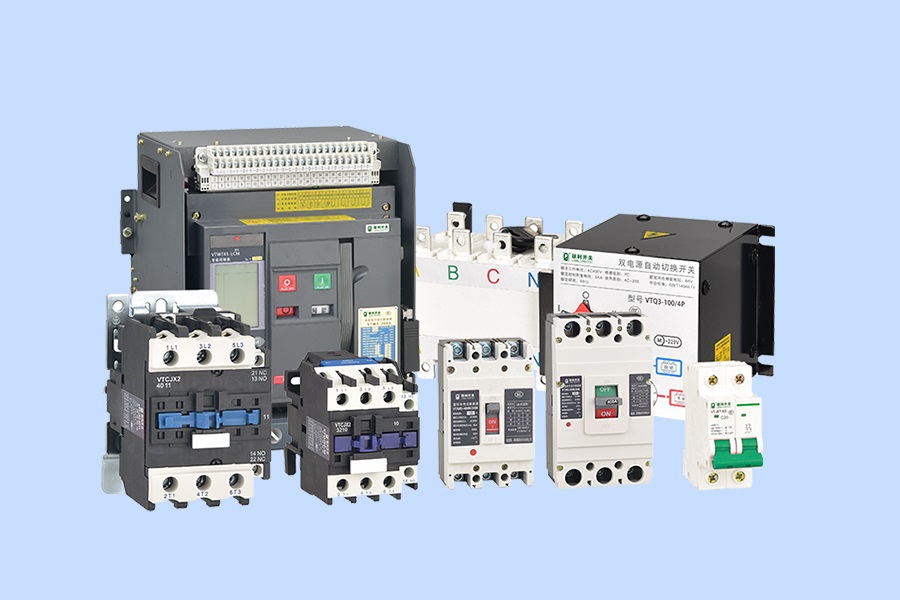 Low-voltage product series
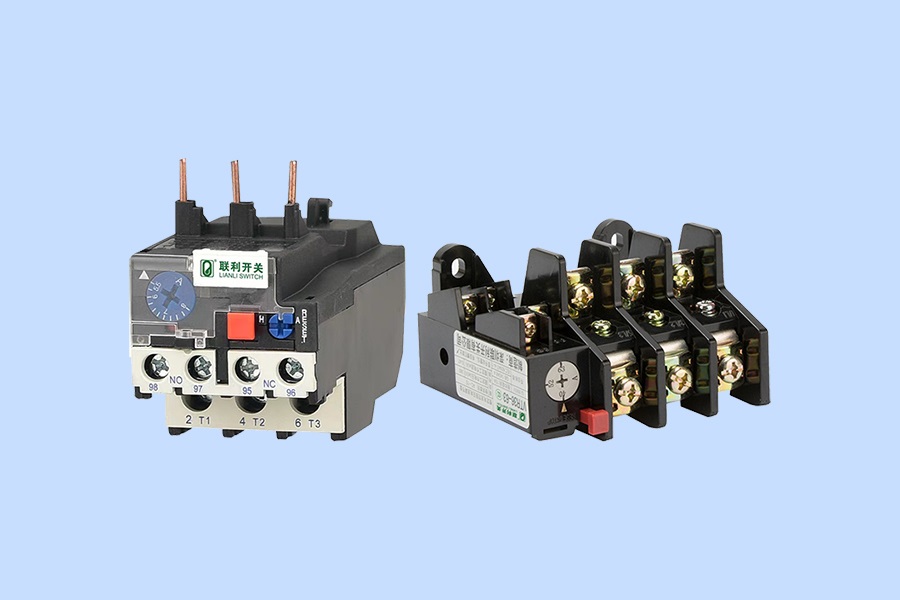 Thermal overload relay series
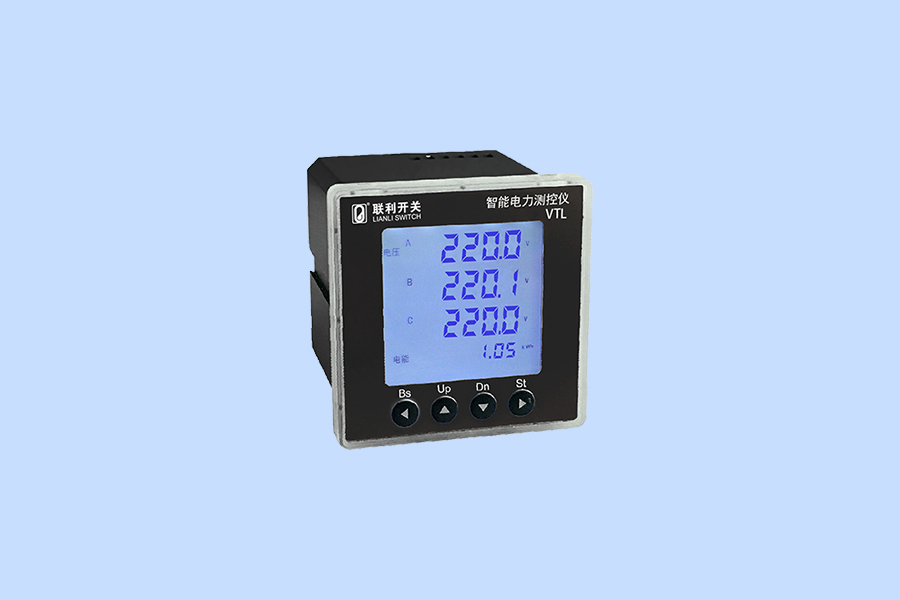 Multifunctional Instrument and Power Monitoring System Solution
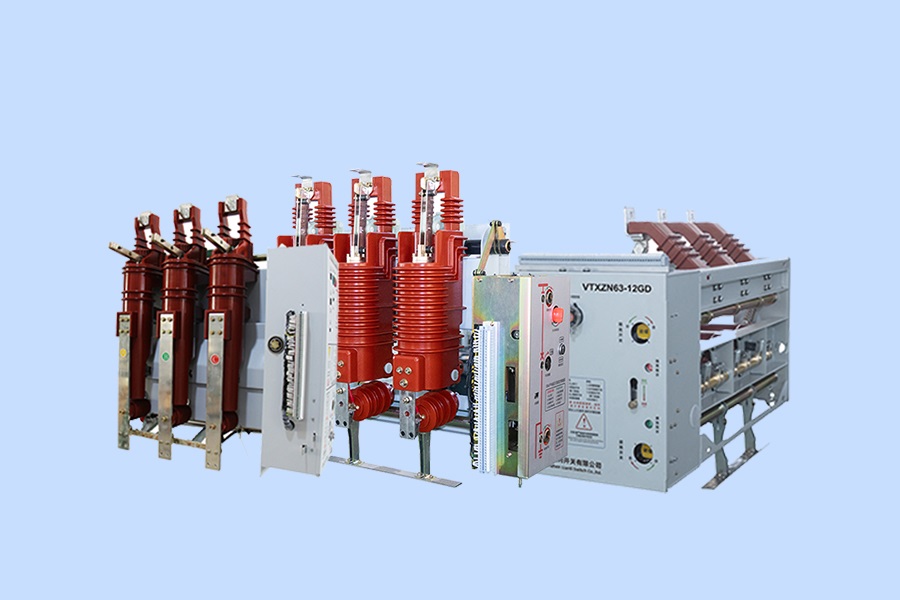 Three-position electrical appliance series
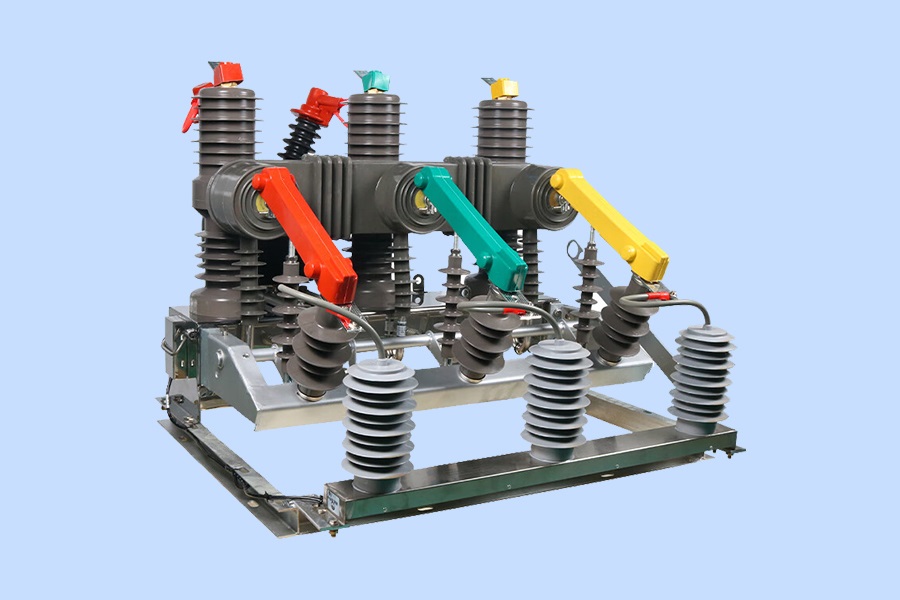 Outdoor High Voltage Vacuum Circuit Breaker Series
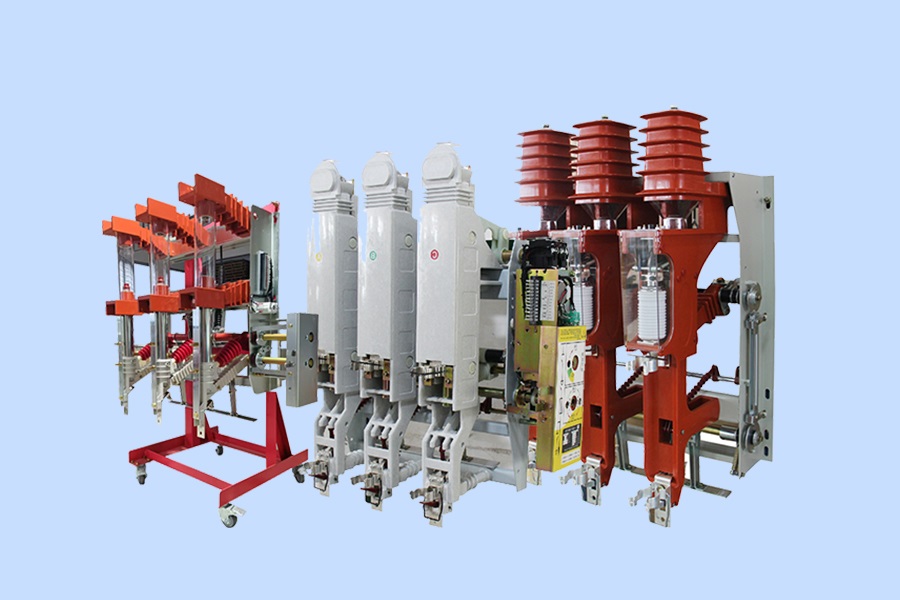 High-load switch series
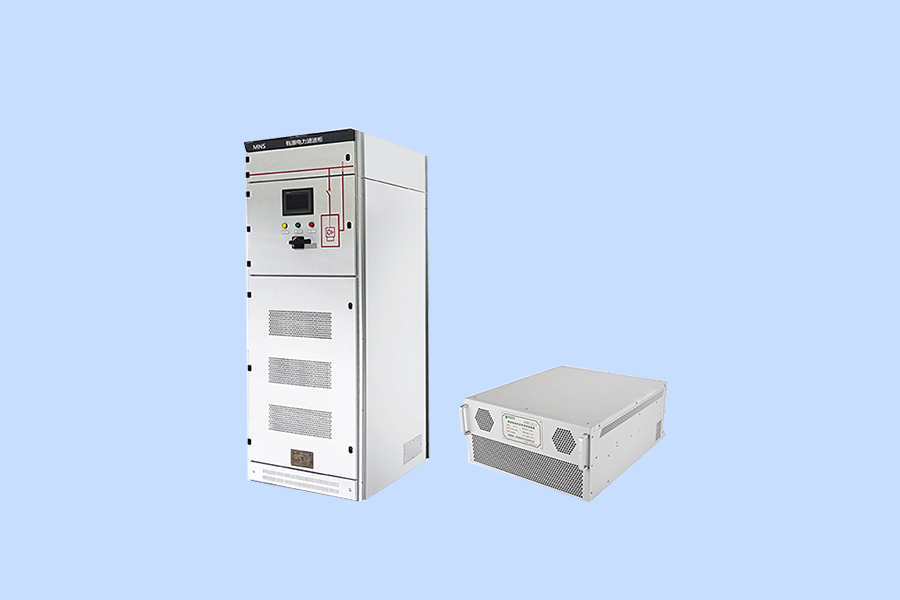 Active filtering and reactive power compensation series
 Circuit breaker component design and modification
 New
New
 Dynamic
 Our Services
 Document Library
 Media Center
 Contact information
 Online message