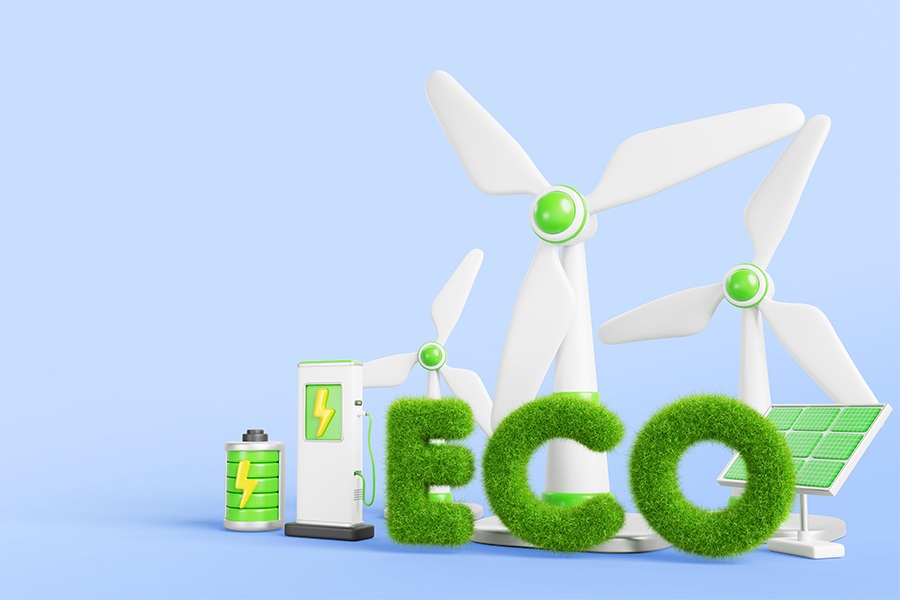
As 2026 marks the start of the 15th Five-Year Plan, the low-voltage electrical appliance industry stands at a historical juncture of green transformation. Driven by the in-depth advancement of the "dual-carbon" strategy and the accelerated construction of new power systems, low-voltage electrical appliances are no longer traditional passive power distribution components, but have become an indispensable "green hub" in the new energy system and zero-carbon ecosystem.
A New Green Benchmark: From "Energy Continuity" to "Zero Carbon" – A New Level of Competition
Currently, the competitive logic of the low-voltage electrical appliance industry is undergoing a fundamental shift. The industry has long since moved beyond the extensive stage of scale expansion and entered a new stage of high-quality development centered on technological breakthroughs and green iteration. The continued implementation of the national energy transition and zero-carbon development strategy is forcing low-voltage electrical appliance products to iterate towards low energy consumption, high reliability, and low carbon emissions throughout their entire life cycle. Green development has become a hard indicator and core competitiveness for the industry.
Under this trend, leading companies in the industry have transformed green manufacturing from a concept into quantifiable actions. Liangxin Electric's "Integrated Source-Grid-Load-Storage" demonstration project in Haiyan is moving towards the goal of becoming a "lighthouse, smart, and zero-carbon" super factory in the low-voltage electrical appliance industry. In 2025 alone, its green electricity generation exceeded 20 million kilowatt-hours, with a green electricity utilization rate of over 97%, earning it the "Five-Star Zero-Carbon Factory Standard" certification. Similarly, Delixi Electric's three major production bases have all obtained "Green Factory" and five-star zero-carbon factory certifications from the Ministry of Industry and Information Technology, achieving operational carbon neutrality ahead of schedule in 2024. Recently, it also pioneered the industry's first carbon-neutral smart energy meter, bringing carbon-neutral products to every household.
New energy is reshaping the underlying logic of low-voltage electrical technology
The explosive growth of new energy industries such as photovoltaics, energy storage, and wind power is redefining the technical standards and product forms of low-voltage electrical appliances. Industry analysts point out that the significance of new energy for the low-voltage electrical appliance industry is not only that it has opened up new market space, but also that it is redefining the entire industry's technological logic and standards. DC power distribution, digitalization, and globalization have become three definite directions of change.
In photovoltaic (PV) applications, N-type battery technology is driving a continuous increase in system voltage, requiring DC-side protection products to be compatible with DC 1500V or even higher voltage levels, posing stringent challenges to arc extinguishing capabilities and insulation design. Energy storage systems, on the other hand, require protection equipment with millisecond-level response speeds and higher tolerance capabilities. To address these needs, some leading companies have already launched DC 2500V high-voltage platforms, accelerating their deployment across all application scenarios, including new energy, PV, energy storage, and charging/swapping.
Green supply chain collaboration: From "single-point breakthrough" to "ecological co-governance"
Green transformation is not a solitary endeavor, but a collaborative evolution across the entire industry chain. In Yueqing, Zhejiang, a major production base for low-voltage electrical appliances, a closed-loop management model has been established, encompassing "enterprise carbon emission verification—carbon labeling—carbon chain management—carbon reduction and efficiency improvement—industrial upgrading." 48 enterprises have completed product carbon footprint assessments, driving green transformation among more than 2,000 enterprises in the upstream and downstream supply chains of industries such as power and electrical equipment and electronic information.
Leading companies in the supply chain, such as Delixi Electric, are promoting collaborative carbon reduction within their ecosystem through the "Zero-Carbon Empowerment Plan." This initiative not only helps upstream suppliers obtain zero-carbon factory certification but also spearheads the development of group standards for quantifying the carbon footprint of the low-voltage electrical industry, promoting unified green standards across the sector. ABB, on the other hand, leverages its self-developed smart energy management platform to systematically optimize energy usage in its industrial parks, including photovoltaic systems, energy storage, charging stations, and power distribution systems. This has enabled suppliers to build robust ESG assessment mechanisms, resulting in suppliers exceeding their carbon reduction targets in 2024.
Outlook: Green competitiveness will be the key to success in the 15th Five-Year Plan period
Standing at the beginning of the "15th Five-Year Plan" period, the green transformation of the low-voltage electrical appliance industry has changed from an "optional question" to a "mandatory question." Hu Chengzong, a deputy to the National People's Congress and chairman of the board of directors of Delixi Group, pointed out during this year's Two Sessions that the coordinated development of the entire new energy chain needs to break down industry barriers and promote the connection of the entire chain of "energy production - power grid transmission - equipment manufacturing - terminal application," so as to drive the upgrading of related manufacturing industries with the new energy industry as the core.
It is foreseeable that as standards for green factories, zero-carbon factories, carbon labeling, and green supply chains become increasingly完善 (perfected/improved), the green competitiveness of low-voltage electrical appliance companies will become a key variable determining their market position. In this profound transformation from traditional manufacturing to green intelligent manufacturing, those companies that can integrate green concepts into the entire product lifecycle and collaborate with the industrial chain to reduce carbon emissions will gain the initiative during the 15th Five-Year Plan period and even longer.
![Shenzhen Lianli Switches - High and Low Voltage Electrical Components - Shenzhen Lianli Switches Co., Ltd. [Official Website]](/static/upload/image/20260709/1783556967304962.png)
 Overview
 Culture
 Style
Style
 Development
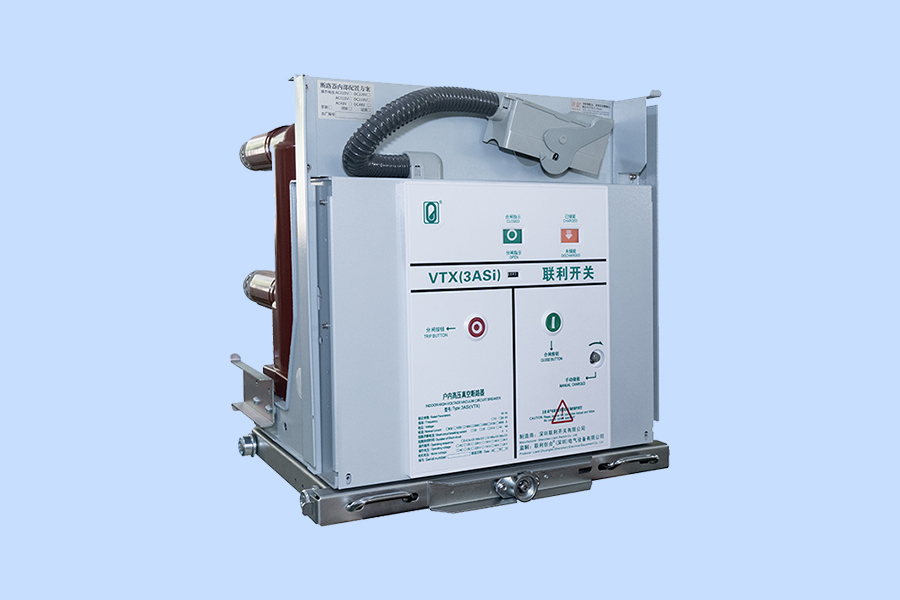 Indoor high-voltage vacuum circuit breaker series
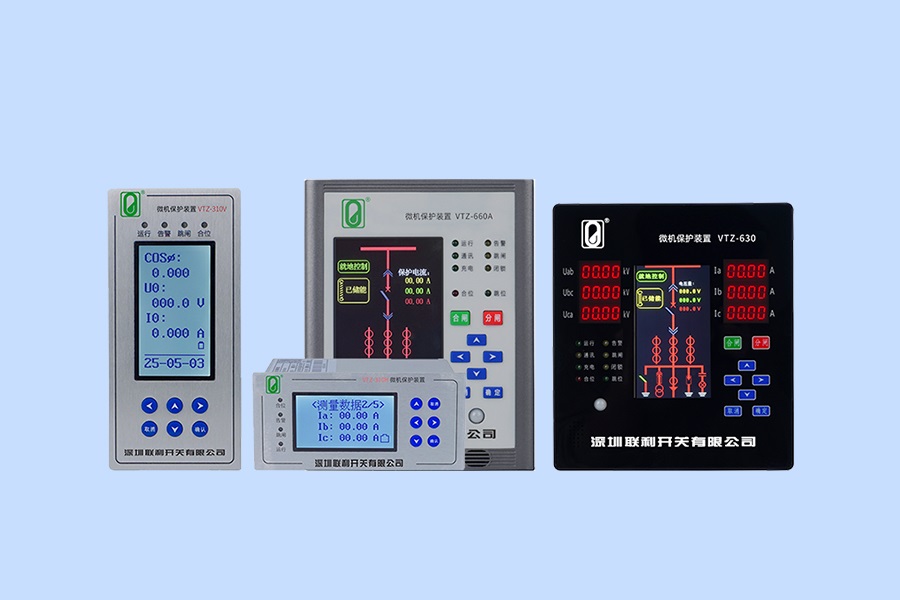 Microcomputer Protection Device Series
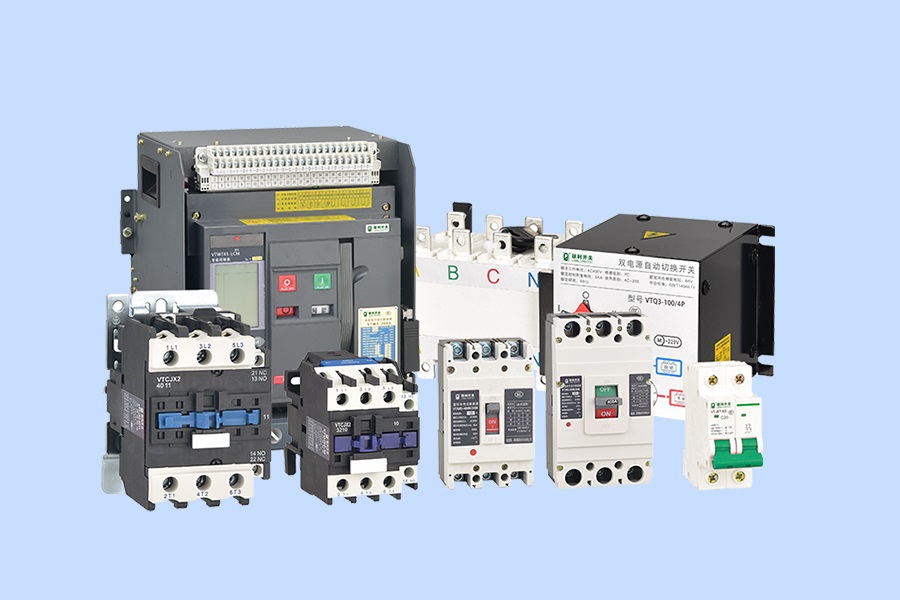 Low-voltage product series
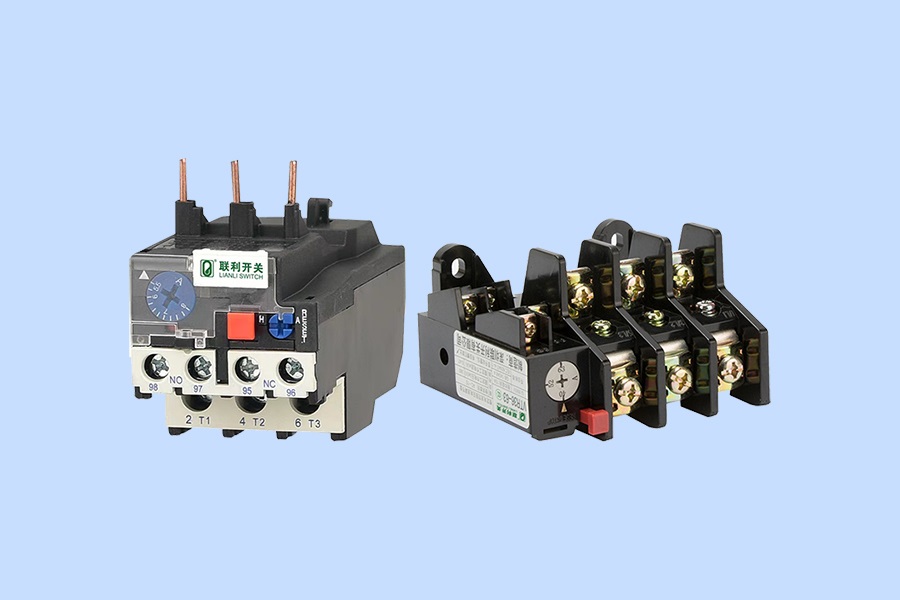 Thermal overload relay series
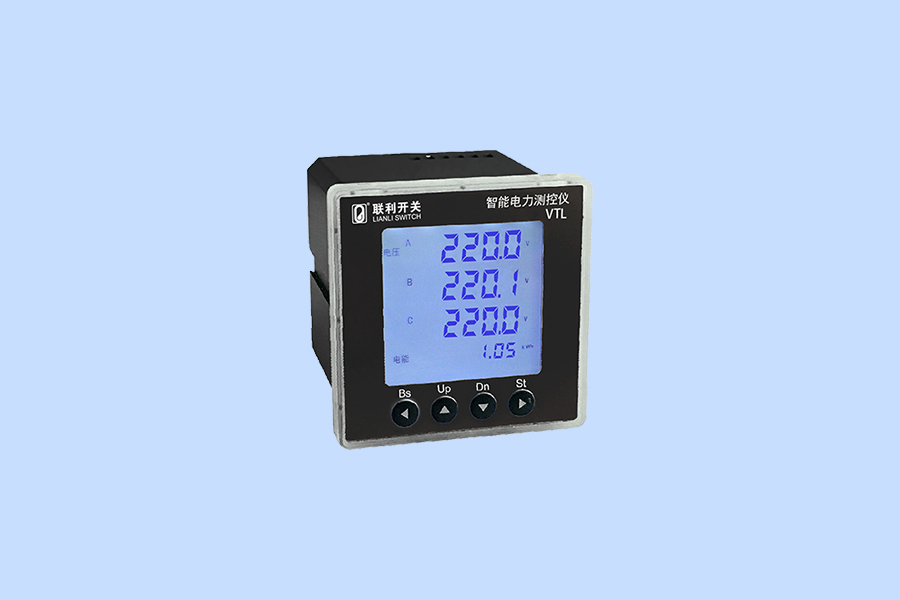 Multifunctional Instrument and Power Monitoring System Solution
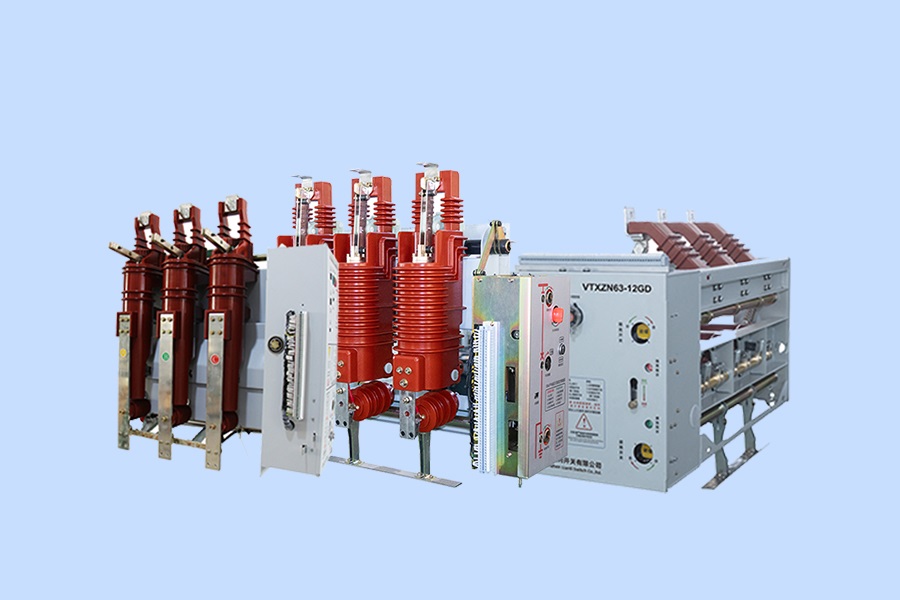 Three-position electrical appliance series
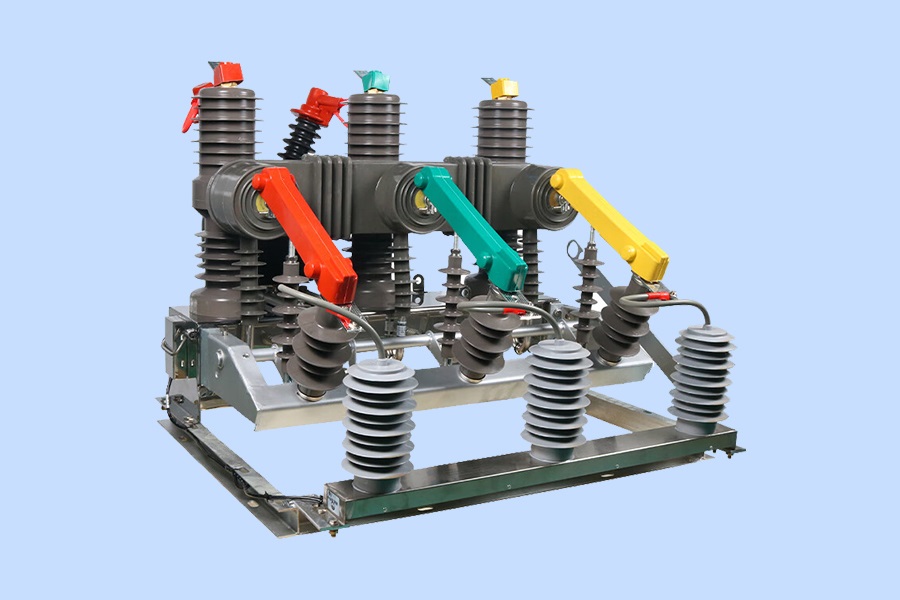 Outdoor High Voltage Vacuum Circuit Breaker Series
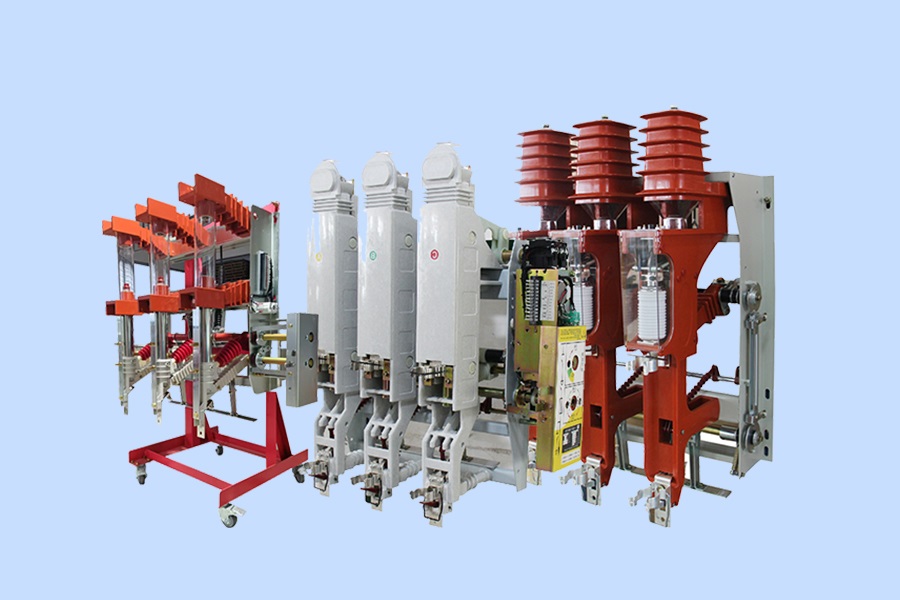 High-load switch series
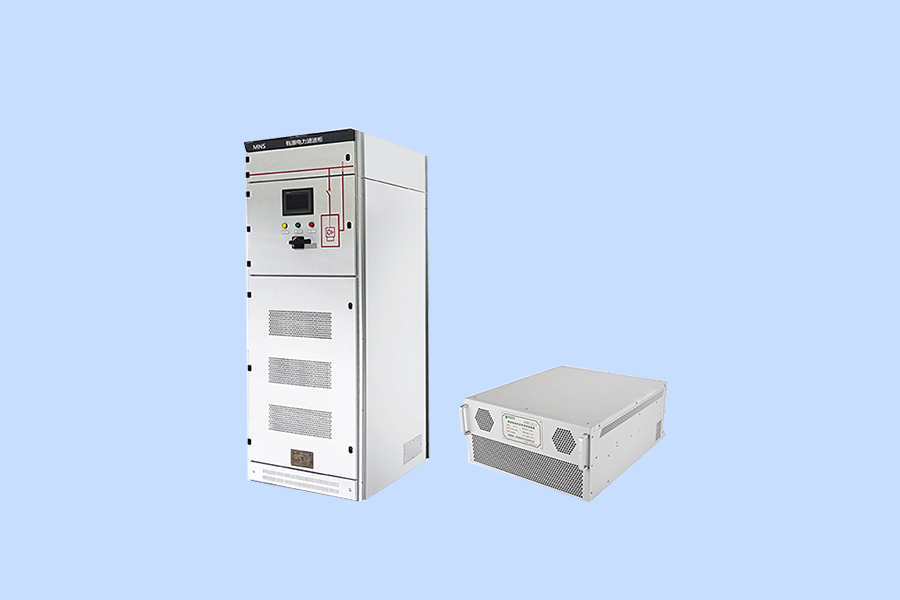 Active filtering and reactive power compensation series
 Circuit breaker component design and modification
 New
New
 Dynamic
 Our Services
 Document Library
 Media Center
 Contact information
 Online message