In the field of building power distribution in residential communities, which is closely related to people's livelihoods, low-voltage electrical components are a key link in ensuring residents' electricity safety and achieving refined management. The power supply and distribution system of a residential community typically consists of a three-tiered structure: the main distribution room of the community, the distribution rooms in each building, and the terminal distribution boxes for each household, covering the entire chain from electricity supply to every household. With the improvement of residents' living standards, household electricity load continues to grow—high-power air conditioners, electric water heaters, kitchen appliances, and electric vehicle charging stations are becoming increasingly common—placing higher demands on the overload protection accuracy, leakage protection capabilities, and service life of power distribution components. At the same time, outdoor ring main units, cable branch boxes, and meter boxes in residential areas need to withstand long-term exposure to wind, rain, high temperatures, and high humidity, therefore, components must possess good environmental adaptability, corrosion resistance, and anti-aging properties.
To comprehensively ensure residential electricity safety, various low-voltage electrical components perform their respective functions in the community's power distribution system. In the main distribution room, frame circuit breakers and molded case circuit breakers serve as the primary protection for incoming and outgoing lines, bearing the heavy responsibility of power distribution and fault isolation for the entire community. In the meter boxes on each unit floor, miniature circuit breakers provide branch protection, accurately implementing overload and short-circuit protection for each household. Each household's standard indoor distribution box typically integrates a main switch, lighting, sockets, air conditioning, kitchen and bathroom circuits, and a multi-circuit structure for backup. To ensure residents' safety, electromagnetic residual current circuit breakers have become standard equipment in indoor power distribution, ensuring millisecond-level power cut-off in the event of a leakage fault, effectively preventing electric shock accidents and electrical fire hazards. Furthermore, with the popularization of new energy vehicles, the charging pile power distribution system in residential underground parking garages requires the extensive deployment of AC contactors, residual current circuit breakers, and surge protectors to ensure the safe and stable operation of charging facilities and lightning protection. Currently, amid the wave of smart community construction, some residential projects have piloted the use of intelligent miniature circuit breakers with remote communication capabilities. These circuit breakers allow property management or homeowners to view electricity usage data in real time and receive fault alarms via a mobile app. They also enable remote control of circuit opening and closing, bringing a convenient and efficient digital experience to community electricity management.
With its solid technical foundation and full-chain quality control system, Lianli Switch's various product series, including frame circuit breakers, molded case circuit breakers, miniature circuit breakers, and residual current circuit breakers, can accurately meet the multiple needs of residential communities for safe electricity use, reliable protection, and intelligent management. They are deeply integrated into core scenarios such as residential power distribution stations, floor distribution rooms, indoor distribution boxes, and charging pile power distribution systems, making them a reliable electrical component partner for thousands of families to use electricity safely, conveniently, and greenly.
![Shenzhen Lianli Switches - High and Low Voltage Electrical Components - Shenzhen Lianli Switches Co., Ltd. [Official Website]](/static/upload/image/20260709/1783556967304962.png)
 Overview
 Culture
 Style
Style
 Development
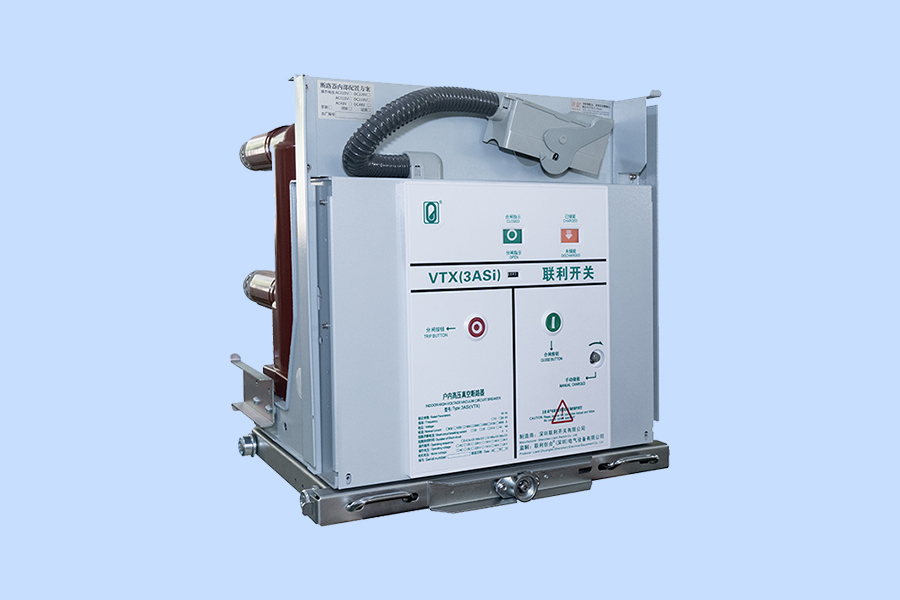 Indoor high-voltage vacuum circuit breaker series
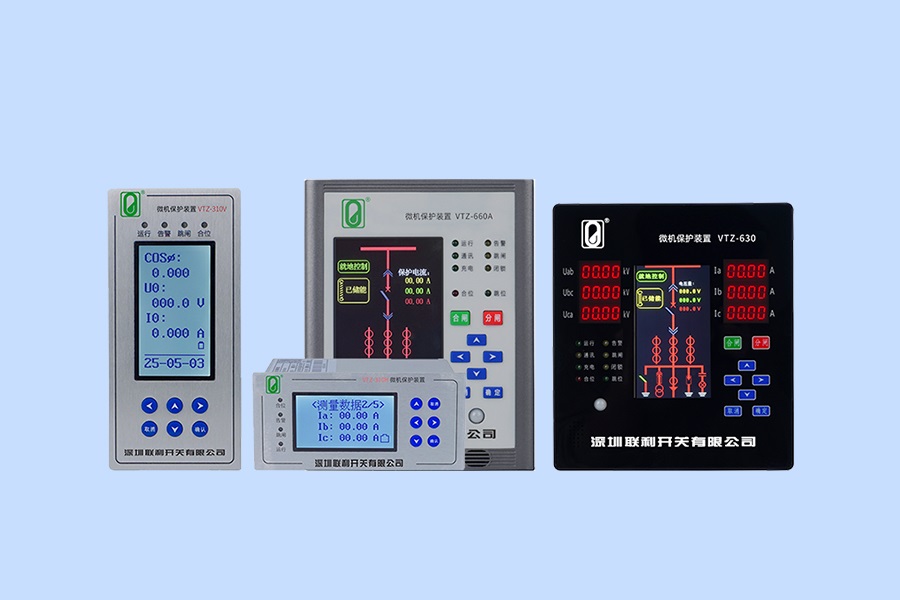 Microcomputer Protection Device Series
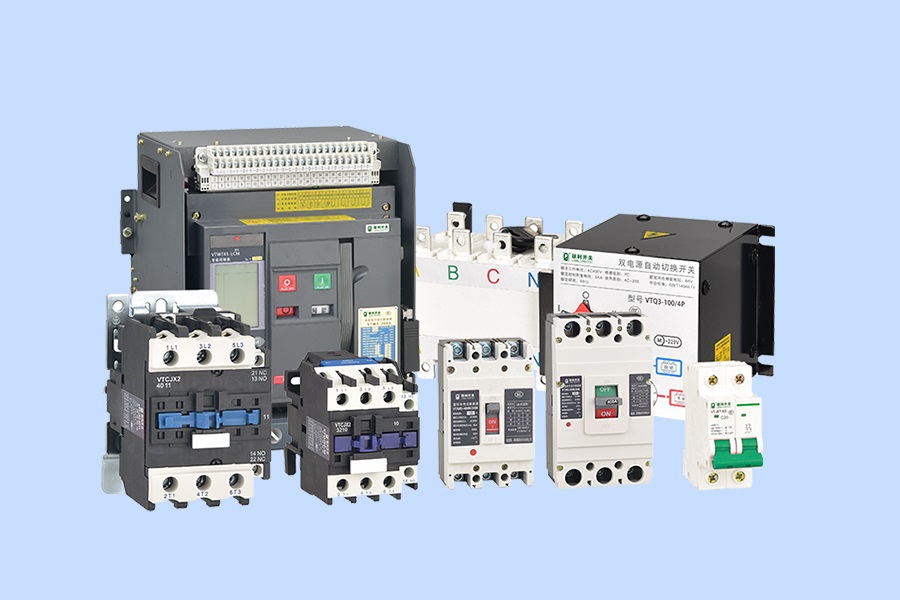 Low-voltage product series
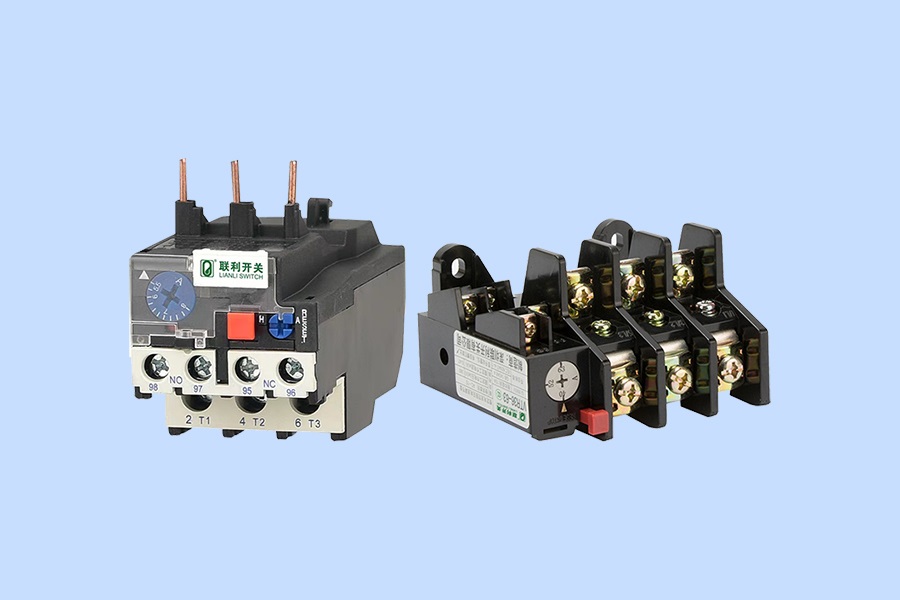 Thermal overload relay series
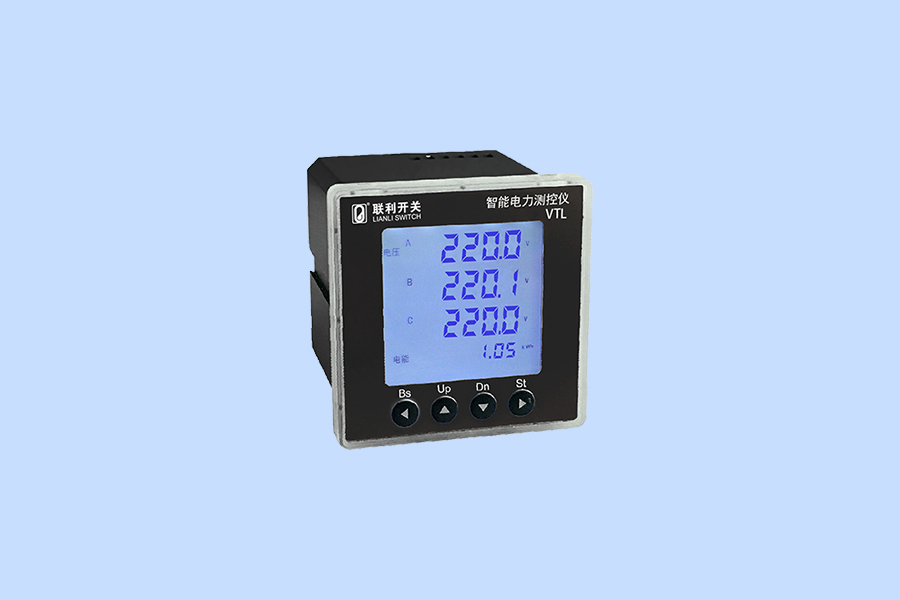 Multifunctional Instrument and Power Monitoring System Solution
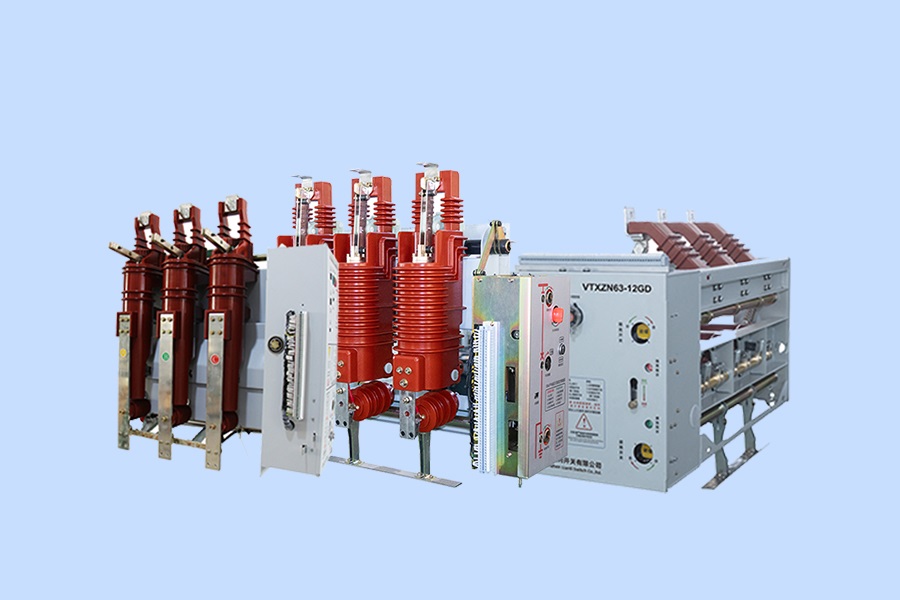 Three-position electrical appliance series
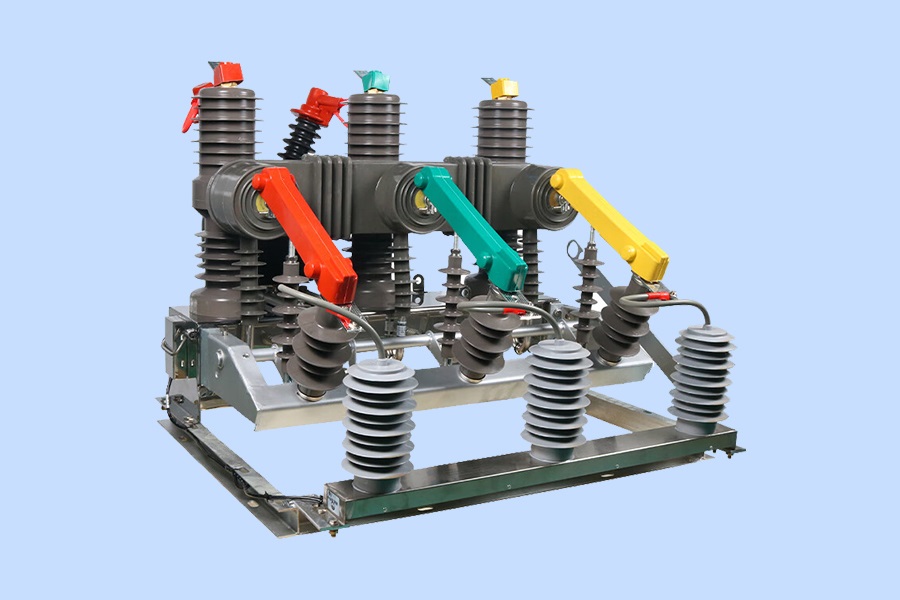 Outdoor High Voltage Vacuum Circuit Breaker Series
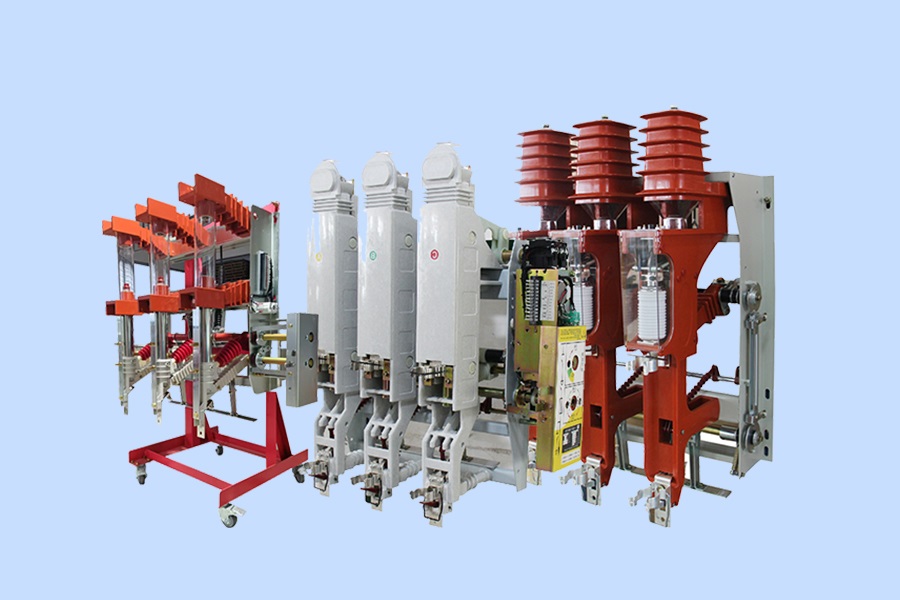 High-load switch series
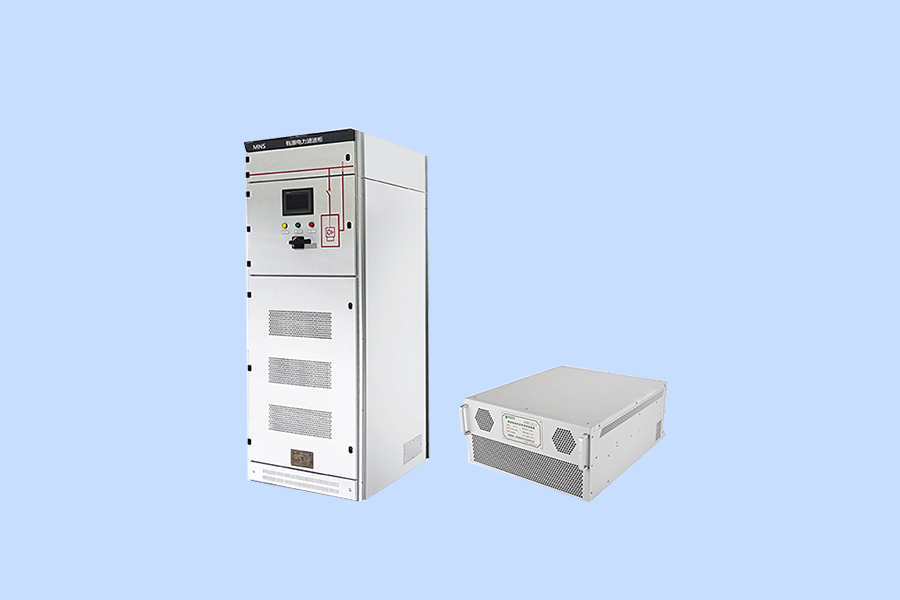 Active filtering and reactive power compensation series
 Circuit breaker component design and modification
 New
New
 Dynamic
 Our Services
 Document Library
 Media Center
 Contact information
 Online message